
Reviewed · HISTORICAL TOURS
Cabo San Lucas: Cabo History Walk
Cabo San Lucas reveals more on foot than from a resort terrace. This 150-minute history walk connects Saint Luke parish, the main square, old streets, local ranch traditions, and the forces of nature that shaped this end of the Baja California peninsula.
I like the small group, limited to eight people, and the way the tour reaches beyond postcard sights into everyday culture. I also like that tequila tasting is included, while the museum costs only $2 extra. The main consideration is the walking itself: this tour is not suited to people with mobility impairments.
In This Review
- Key points
- Why Cabo’s old streets tell a bigger story
- Meeting near the plaza and getting oriented
- Saint Luke parish and Cabo’s main square
- Ranchero Californio traditions in plain language
- From native civilizations to the tourist era
- How Cabo’s geography shaped its culture
- The museum’s nature and history connection
- A tequila tasting that adds a local pause
- Is $35 a fair price?
- Who will enjoy this walk most?
- Practical tips for making the most of it
- Should you book the Cabo History Walk?
- FAQ
- How long does the Cabo History Walk last?
- Where is the meeting point?
- What languages are available?
- What does the $35 price include?
- Is the tour suitable for people with mobility impairments?
- What should I wear?
- Can I cancel or pay later?
Key points
- Starts at the Apple Store: Meet your guide in front of the Apple Store inside the plaza, a handy central point for beginning the walk.
- Saint Luke parish and the main square: See two important Cabo landmarks and hear how religion, community life, and local history meet there.
- From native cultures to modern Cabo: The opening briefing covers the peninsula’s early peoples, later traditions, and its change into a tourism center.
- Californio ranch stories: Learn about the customs and daily life linked to the old Ranchero Californio way of life.
- Nature and adventure: Hear how Cabo’s geography shaped outdoor activities and the character of the region.
- Small-group setting: With no more than eight participants, you have a better chance to ask questions and follow the guide’s pace.
Why Cabo’s old streets tell a bigger story

Many people first meet Cabo San Lucas through hotels, beaches, fishing trips, and nightlife. This walk gives you a different starting point. Instead of treating town as a backdrop, it explains how ancient native civilizations, ranching traditions, religious life, natural forces, and tourism all shaped the place you see today.
I like that the tour begins with a history briefing before the walking starts. That short introduction gives you a useful frame for the rest of the experience, so Saint Luke parish and the main square feel like parts of a story rather than isolated photo stops.
The approach also helps if you have only seen the modern side of Cabo. You’ll hear about the area before it became a major tourist destination, then follow the changes that brought it into the present day.
The tone appears best suited to curious adults who want context and conversation, not a quick checklist of sights. The guide speaks English or Spanish, and the group size is capped at eight, which should make it easier to ask about details that catch your attention.
A few more Cabo San Lucas trips worth weighing up
- Cabo San Lucas Cocktails, Tequila and Tacos Walking Tour
★ 5.0 · 33 reviews - Cabo History Walk
★ 5.0 · 13 reviews - Art Walk Tour in Los Cabos
★ 5.0 · 4 reviews
Meeting near the plaza and getting oriented
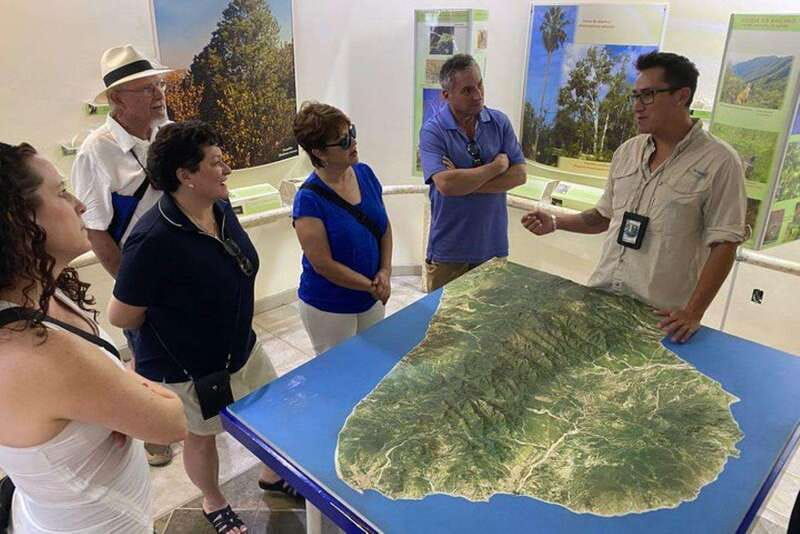
The meeting point is in front of the Apple Store inside the plaza. That is a practical place to begin because you are not being asked to find an obscure street corner or a distant transport stop.
Your certified guide starts with the history briefing. The subject reaches from native civilizations through the Ranchero Californio traditions and into present-day Cabo San Lucas.
I would pay close attention during this opening section. It sets up the rest of the walk by showing how the area’s people and natural surroundings affected one another over time.
The exact starting time varies, so you need to check availability when booking. The total duration is 150 minutes, or two and a half hours, which is long enough for a real introduction without taking up an entire day.
Wear comfortable clothes. The tour is not suitable for people with mobility impairments, so you should think honestly about how you handle walking through old town streets before reserving.
Saint Luke parish and Cabo’s main square
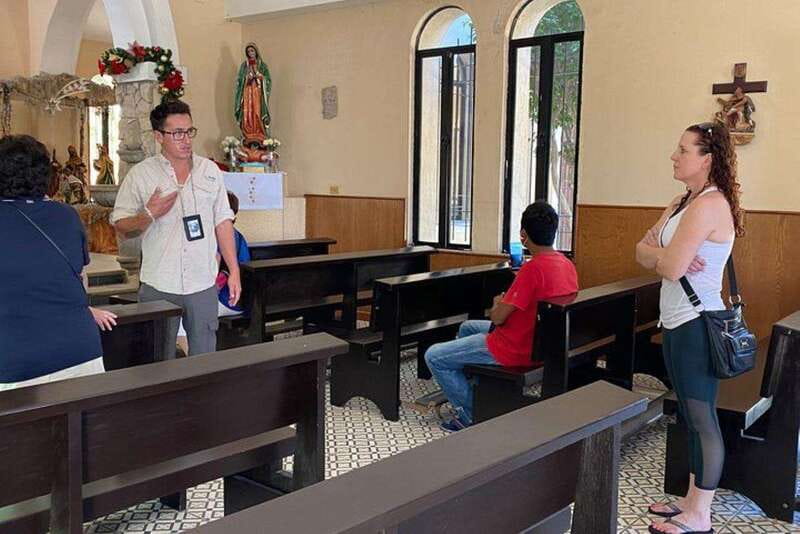
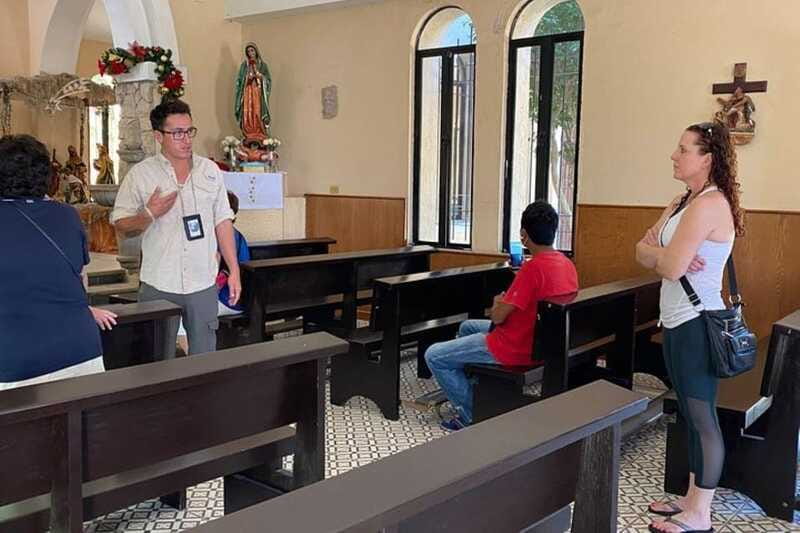
The parish of Saint Luke is one of the walk’s central landmarks. It offers a direct look at Cabo’s religious life and gives the guide a clear place to explain how faith and community shaped the town.
The main square adds another layer. Public squares are where local history becomes visible through daily use, civic gatherings, and the buildings around them. Here, the guide uses the space to connect Cabo’s past with its present identity.
I would not expect an elaborate museum-style presentation at each stop. The strength of this walk is the guide’s explanation and the way the sights fit together. If you enjoy asking questions, the small group should work in your favor.
The parish and square also help you get your bearings in central Cabo. After the tour, these landmarks can serve as reference points when you return to town on your own.
Ranchero Californio traditions in plain language
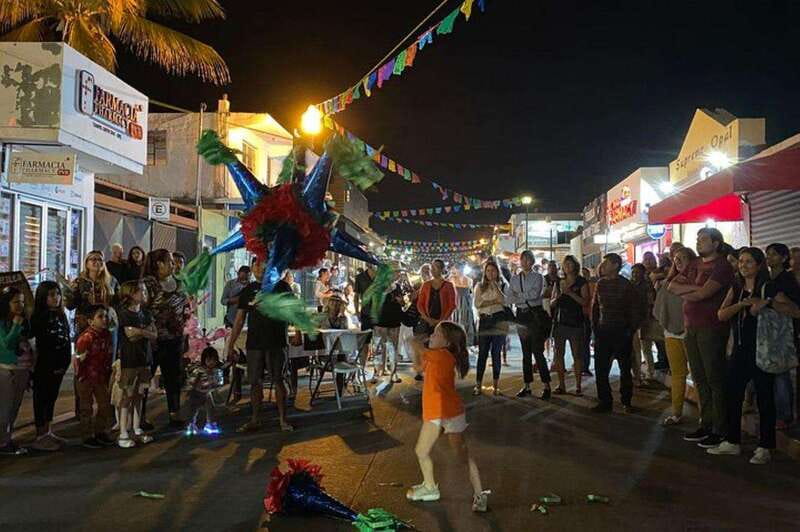
The Ranchero Californio stories are one of the more distinctive parts of this experience. They move the focus away from Cabo as a resort destination and toward the customs, work, and values connected with ranch life in the Californios’ world.
You’ll hear how these traditions fit into the wider story of Baja California Sur. The supplied details do not list particular ranch buildings, demonstrations, or food stops, so I would expect the guide to tell these stories while walking rather than stage a separate ranch visit.
That distinction matters. If you want hands-on farm activities, this is not advertised as that kind of tour. If you want a clear introduction to a regional tradition that may receive little attention during a standard beach holiday, the subject adds real value.
When Danny leads the walk, his explanations are delivered in clear English, and he has been credited with covering the peninsula’s past in detail. The tour may run a little beyond the planned 150 minutes if the conversation develops, so keep a small amount of flexibility in your schedule.
A completely different kind of day out of Cabo San Lucas:
- Outdoor Ziplining and UTV Adventure from Los Cabos
★ 5.0 · 4,181 reviews - Cabo Migrino Beach and Desert ATV Tour plus Tequila Tasting
★ 5.0 · 2,367 reviews - Whale Watching Cabo-Women crew-Sightings Guaranteed & Free Photos
★ 5.0 · 1,743 reviews - Cabo San Lucas Sunset Cruise with Open Bar and Snacks
★ 5.0 · 1,610 reviews
From native civilizations to the tourist era
The opening history section covers a broad span. You’ll learn about ancient native civilizations, the area’s later cultural development, and Cabo’s shift into a modern tourist center.
That broad reach is useful, but it also means the walk cannot give equal detail to every period. Think of it as a well-organized introduction rather than a specialist academic tour.
I like this kind of overview when visiting a place for the first time. It gives you a mental timeline, making later observations more meaningful. A church, square, street, or museum display can tell you more when you understand what came before it.
The guide’s role matters greatly here. Danny is singled out for explaining the area’s past in clear English and for knowing enough material to take the tour beyond its scheduled end. If a different guide leads your departure, the style may vary, but the advertised languages are Spanish and English and the guide is certified.
How Cabo’s geography shaped its culture
This is not only a history walk. The guide also explains how the region’s geography encouraged outdoor adventure and influenced local life.
The information provided does not promise a boat ride, a hike, or a visit to a natural attraction. Instead, you hear stories about the relationship between Cabo’s setting and the activities that developed there.
That approach helps explain why outdoor recreation is so closely tied to Cabo’s identity. Nature is not treated as scenery alone. It affected how people lived, what kinds of work developed, and how the town later attracted visitors.
I appreciate this link between place and culture. A tour that talks only about dates and buildings can feel flat. A tour that shows how the natural setting shaped human choices gives you a more useful way to read the town.
The museum’s nature and history connection
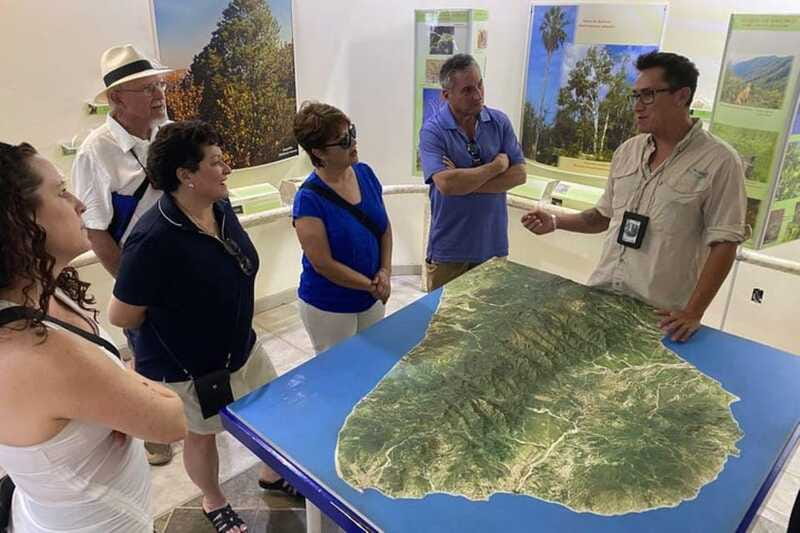
The walk finishes at a museum, where the guide takes you through a presentation about nature and history. The museum entrance is not included, but it costs only $2 per person.
This final stop gives the tour a clear ending. The earlier streets and landmarks introduce Cabo’s story, while the museum brings together the relationship between the environment and the town’s development.
Since the museum name and exhibits are not specified, I would not book this expecting a particular collection or a long museum visit. Its value lies in the guided connection between natural forces and human history.
Bring a little cash or another way to cover the small entrance fee. At $2, it is unlikely to change your budget, but knowing about it prevents a surprise at the end of the walk.
A tequila tasting that adds a local pause
Tequila tasting is included in the $35 price. The available details do not specify the venue, number of samples, or whether food accompanies it, so you should think of it as a short tasting rather than a full meal or a dedicated distillery visit.
It is a pleasant way to close a cultural walk, especially if you enjoy trying regional drinks while hearing more from the guide. It also gives the group a natural chance to talk after the museum portion.
If you do not drink alcohol, the tour description does not state whether a substitute is available. You should ask the provider before booking if that matters to you.
The tasting should not be the main reason to choose this experience. The stronger reason is the combination of old-town landmarks, local traditions, and historical explanation. The tequila is a useful extra, not the foundation of the tour.
Is $35 a fair price?
At $35 per person, the walk is reasonably priced for two and a half hours with a certified guide, a small group, and a tequila tasting. The separate $2 museum fee is minor, but it should be included in your mental calculation.
The value depends on what you want from Cabo. If you only need a quick orientation, 150 minutes may feel longer than necessary. If you want a guide who can explain the peninsula’s past and answer questions, the time gives the subject room to breathe.
A group limit of eight is important here. A large group can make a history walk feel like a lecture delivered to the back row. With fewer people, you have a better chance to hear the guide clearly and ask about Ranchero Californio customs, the parish, the square, or the town’s changing relationship with nature.
The free cancellation policy also reduces the risk of booking ahead. You can cancel up to 24 hours in advance for a full refund, and the reserve-now, pay-later option lets you hold a place without paying immediately.
Who will enjoy this walk most?

I would recommend this experience to you if you like local history, short walking tours, and guides who explain how a town developed. It suits first-time visitors who want a useful introduction before spending more time around Cabo on their own.
It is also a good fit if you prefer a small group and want the chance to ask questions. The English and Spanish options make it accessible to speakers of either language.
The walk may appeal to repeat visitors, too. If you already know Cabo’s beaches and restaurant scene, the stories of native civilizations, ranch traditions, religion, and nature can give you a less familiar side of the city.
I would be cautious if you have difficulty walking or need a tour built around frequent seating. The activity is specifically not suitable for people with mobility impairments, and the supplied details do not promise transport between stops.
Families should consider the interests and walking ability of each person. The subject matter is cultural and historical, and the experience is likely strongest for people who enjoy listening and asking questions rather than needing constant entertainment.
Practical tips for making the most of it
Wear comfortable clothes, as requested. You should also arrive at the Apple Store meeting point with enough time to locate the guide inside the plaza.
Keep your schedule flexible after the planned finish. Danny has allowed the tour to run over when the discussion called for it, which can be a benefit if you enjoy detail but a problem if you have a fixed reservation afterward.
I would book this early if the small group matters to you. With a maximum of eight participants, availability can be more limited than on a large bus tour.
Bring the $2 museum entrance fee and remember that the tequila tasting is included. If you do not drink, contact Dharma Expeditions ahead of time to ask what the tasting portion means for you.
Should you book the Cabo History Walk?
Book it if you want Cabo San Lucas explained rather than simply photographed. For $35, you get a two-and-a-half-hour walk through old streets, Saint Luke parish, the main square, and a museum, with stories that reach from native civilizations to Ranchero Californio traditions and modern tourism.
I especially like the small group, the guide-led historical context, and the connection between Cabo’s natural setting and its culture. The main reasons to skip it are limited mobility, a tight schedule, or a preference for active outdoor excursions instead of a town walk.
For most history-minded visitors, this is a sensible first look at Cabo. Start with it early in your stay, then you can see the beaches, restaurants, and adventure activities with a better sense of the place behind them.
FAQ
How long does the Cabo History Walk last?
The walk lasts 150 minutes, or two and a half hours. The tour may occasionally run longer if the guide continues explaining the area’s history and answering questions.
Where is the meeting point?
Your guide meets you in front of the Apple Store inside the plaza. This is the starting point for the walking tour through Cabo San Lucas.
What languages are available?
The tour is offered in English and Spanish. It includes a certified live tour guide.
What does the $35 price include?
The price includes the certified guide and a tequila tasting. The $2 per person museum entrance is not included.
Is the tour suitable for people with mobility impairments?
No. The experience is not suitable for people with mobility impairments.
What should I wear?
You should wear comfortable clothes suitable for a walking tour.
Can I cancel or pay later?
You can cancel up to 24 hours in advance for a full refund. The reserve-now, pay-later option lets you book without paying anything at the time of reservation.
Just added around Cabo San Lucas
- Whale Watch Cabo: Group Whale Watching Tour – FREE photos★ 5.0 · 3 reviews
- Los Cabos: Private Kayaking and Snorkeling Tour at the Arch★ 5.0 · 3 reviews
- Cabo Yacht Tour to Lovers or Pelícano Beach + Beach Time★ 3.5 · 3 reviews
- Cabo Escape Sunset Cruise with Dinner and Open Bar★ 4.5 · 3 reviews
- Cabo Private Yacht Tour: The Arch, Sea Lions & Scenic Beaches★ 5.0 · 3 reviews
- Parasailing in Cabo San Lucas★ 3.7 · 3 reviews
- Photo Session in Los Cabos★ 5.0 · 3 reviews
- Glass Bottom Boat Tour Arch Cabo★ 3.7 · 3 reviews
Historical Tours, compared.
Historical and Cultural Walking Tour of San José del Cabo
Read our review →
Cultural & Ecology, Nature & History of the hidden towns of Southern Baja!
Read our review →
La Paz Tour, Historical City, Beach, Colonial and Beautiful scenery on the way!
Read our review →
Browse the lists this tour appears in